
In the fast-paced world of construction, where efficiency, sustainability, and cost-effectiveness are non-negotiable, expanded polystyrene (EPS) foam has emerged as a cornerstone material. For decades, architects, contractors, and project managers have relied on EPS and its advanced variants like extruded polystyrene (XPS) to address complex building challenges—from thermal insulation to structural support. Unlike rigid alternatives that compromise on performance or affordability, EPS foam balances multiple advantages, making it a go-to choice for residential, commercial, and civil engineering projects worldwide. Let’s explore its most impactful applications in the construction sector and why it remains indispensable in modern building practices.
Thermal Insulation: The Core Advantage of EPS Foam
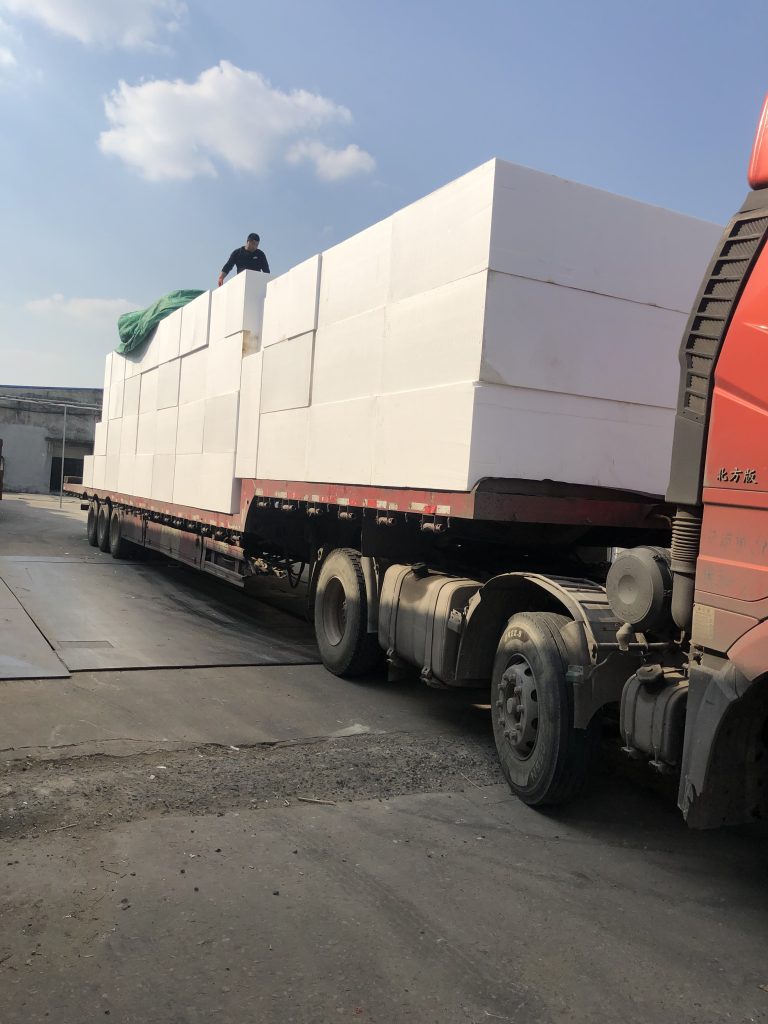
Energy efficiency is a top priority in contemporary construction, driven by global carbon reduction goals and stringent building codes such as Europe’s EN 13501-5:2023 and America’s DOE standards. EPS foam excels here with its closed-cell structure, which delivers exceptional thermal resistance (R-value) and minimal heat transfer. Its thermal conductivity ranges from 0.030 to 0.038 W/mK, depending on the grade—with graphite-enhanced EPS offering superior performance compared to conventional white EPS .
In wall insulation, EPS foam boards are widely used in external wall insulation systems (EWI) and cavity wall installations. They are lightweight, easy to cut to size, and resistant to moisture ingress—preventing mold growth and preserving the building’s structural integrity over time . For roofing applications, EPS sheets provide reliable insulation under concrete slabs or green roof systems, reducing energy consumption for heating and cooling by up to 30%. Flooring insulation benefits equally: EPS boards placed under concrete slabs or suspended floors not only meet U-value requirements but also mitigate condensation issues, thanks to their high vapour resistivity . This versatility makes EPS a one-stop solution for whole-building insulation, aligning with passive house standards and net-zero energy goals.
Structural Support and Void Formation
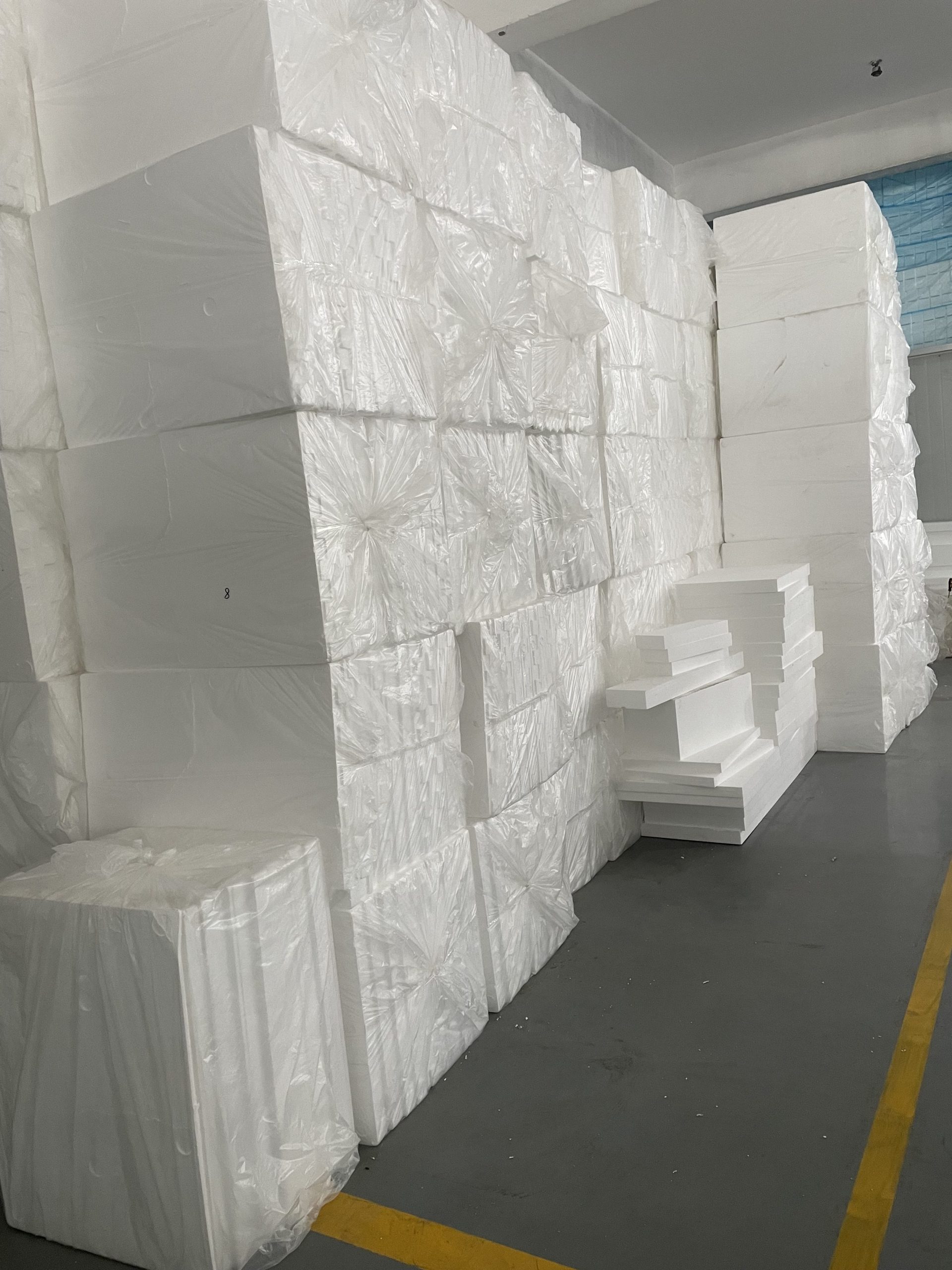
Beyond insulation, EPS foam’s impressive compressive strength—ranging from 70 kPa (EPS 70) for residential use to 500 kPa (EPS 500) for industrial projects—makes it ideal for structural applications . One common use is as void formers in concrete construction: EPS blocks are placed in foundations, beams, or columns to create hollow spaces, reducing the overall weight of the structure without sacrificing stability. This not only cuts down on concrete usage and labor costs but also streamlines on-site workflows, as EPS is easy to handle and install compared to heavy alternatives .
In modular and prefabricated construction—one of the fastest-growing segments in the industry—EPS foam is a key component of structural insulated panels (SIPs). These panels combine EPS cores with oriented strand board (OSB) facings, delivering both insulation and structural rigidity. They enable faster assembly, tighter building envelopes, and consistent quality, making them popular for modular homes, offices, and temporary structures .
Civil Engineering and Infrastructure Projects
EPS foam’s durability and resistance to chemicals, decay, and environmental stressors extend its utility to civil engineering projects. Geofoam—large EPS blocks—is widely used in road widening, bridge abutments, and railway platform extensions. Its lightweight nature reduces soil bearing pressure, preventing ground settlement and minimizing the need for extensive excavation . For example, in road construction, EPS geofoam fills voids under pavements, absorbing vibrations from heavy traffic and extending the lifespan of the infrastructure .
Another critical application is clay heave protection. In regions with expansive soils, EPS foam replaces traditional fill materials to counteract soil movement, safeguarding foundations from cracks and damage . Its inert nature ensures it maintains performance over decades, even in harsh underground conditions—outperforming organic fill materials that decompose over time .
Sustainability and Compliance: Meeting Global Standards
As the construction industry shifts toward circular economies, EPS foam has adapted to meet evolving environmental regulations. Modern EPS is recyclable, with advanced processes enabling it to be repurposed into new foam products or converted into fuel . It also boasts an A+ BRE Green Guide rating, reflecting its low environmental impact throughout its lifecycle . For projects targeting sustainability certifications, EPS supports compliance with standards like LEED and BREEAM, thanks to its energy-saving properties and recyclability .
Regulatory compliance is simplified, too. EPS meets global standards such as BS EN 13163:2016 for physical properties and Euroclass E for fire safety, making it suitable for projects across Europe, North America, and Asia-Pacific . Manufacturers now offer low-VOC EPS variants, aligning with EU REACH regulations and reducing indoor air pollution .
Why EPS Foam Remains a Construction Staple
The enduring popularity of EPS foam in construction stems from its unbeatable cost-performance ratio. It is affordable upfront, reduces labor and transportation costs due to its lightweight design, and delivers long-term savings through energy efficiency . Unlike materials that degrade or lose performance over time, EPS maintains its thermal and structural properties for decades, ensuring a high return on investment .
Whether for a small residential renovation or a large-scale infrastructure project, EPS foam’s versatility, durability, and sustainability make it irreplaceable. As building codes become stricter and sustainability goals more ambitious, EPS continues to evolve—with innovations like bio-based EPS and enhanced-recyclability variants keeping it at the forefront of modern construction.
For contractors and builders seeking a reliable material that meets performance, cost, and environmental requirements, EPS foam is more than a choice—it’s a solution that stands the test of time.